Optimal Timing for Fence Staining
Fence stainings are most effective when applied under suitable weather conditions to ensure durability and proper absorption. The optimal timing depends on climate, temperature, and humidity levels, which influence how well the stain adheres and cures.
Spring and early fall are generally considered the best seasons for fence staining due to moderate temperatures and lower humidity, which help the stain dry evenly.
Staining should be avoided during rainy, extremely hot, or humid days, as these conditions can compromise the stain's adhesion and longevity.
The best temperature range for fence staining is typically between 50°F and 85°F. Temperatures outside this range can affect the stain's curing process.
Fence surfaces should be cleaned and dried thoroughly before staining. This preparation ensures better absorption and a more uniform finish.
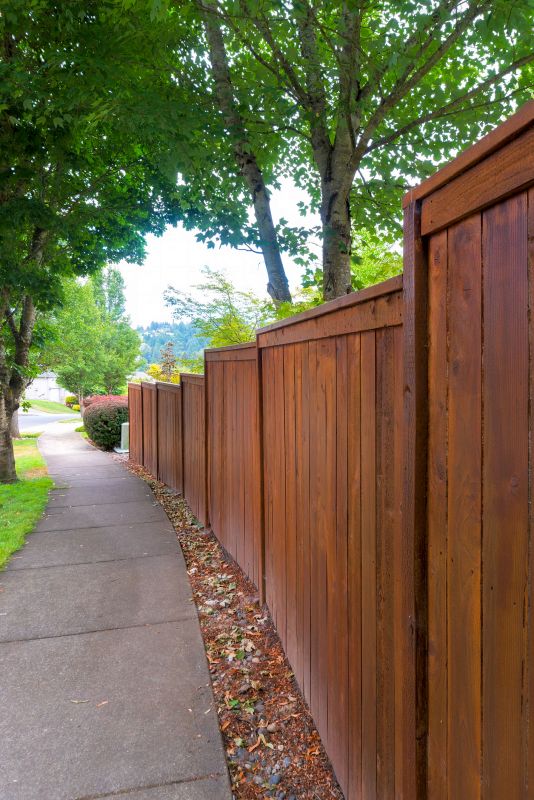
Ways to make Fence Stainings work in tight or awkward layouts.
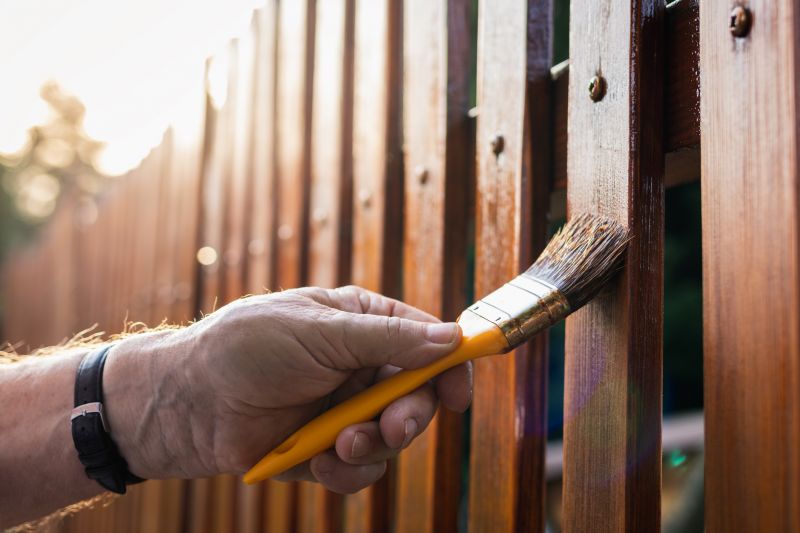
Popular materials for Fence Stainings and why they hold up over time.
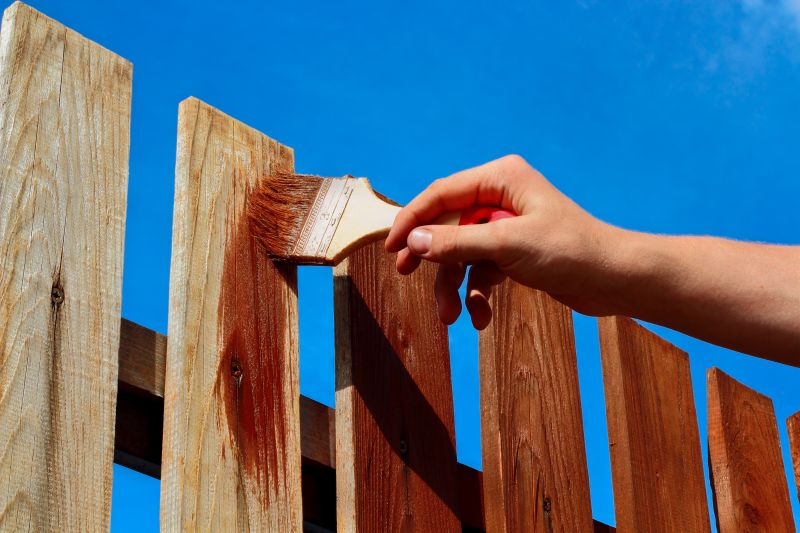
Simple add-ons that improve Fence Stainings without blowing the budget.
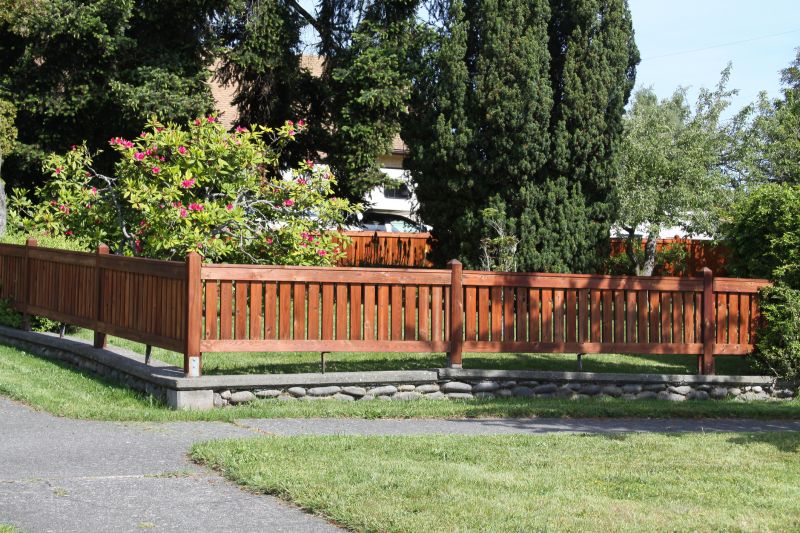
High-end options that actually feel worth it for Fence Stainings.
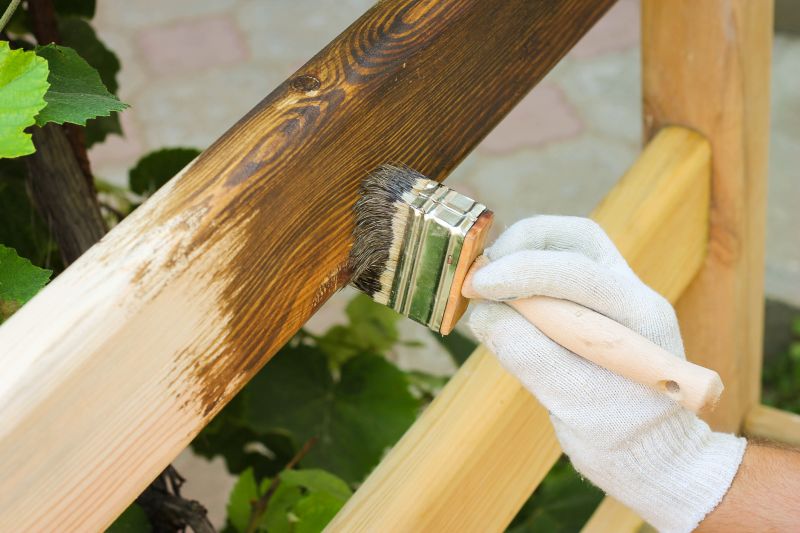
Finishes and colors that play nicely with Fence Stainings.
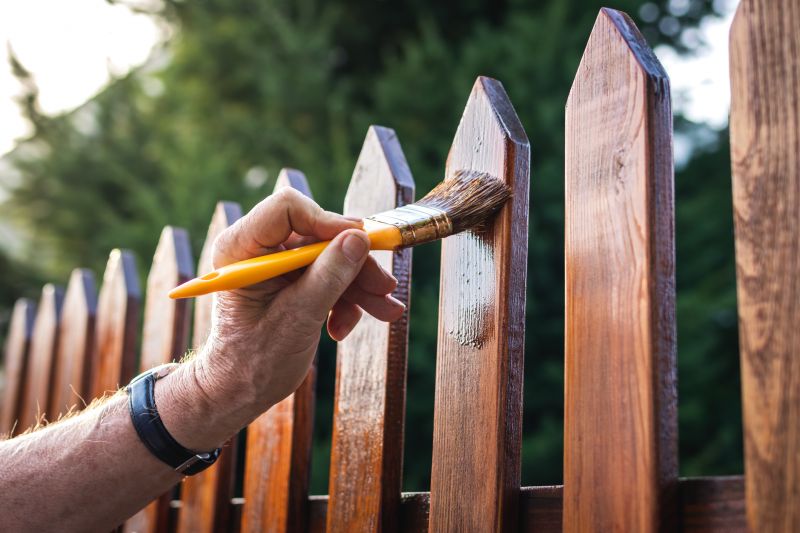
Little measurements that prevent headaches on Fence Stainings day.
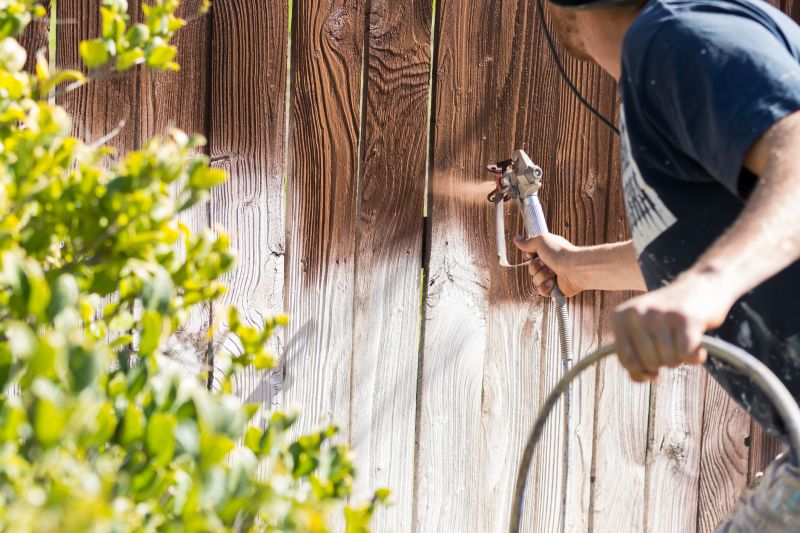
A 60-second routine that keeps Fence Stainings looking new.
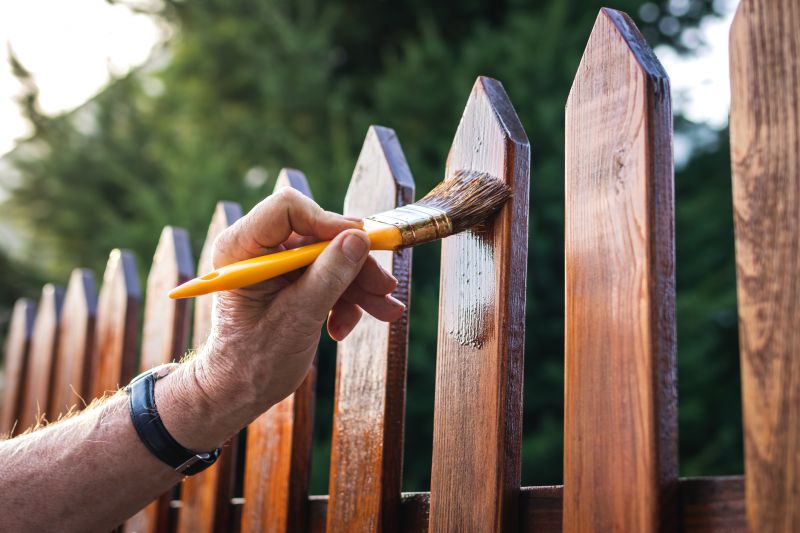
A frequent mistake in Fence Stainings and how to dodge it.
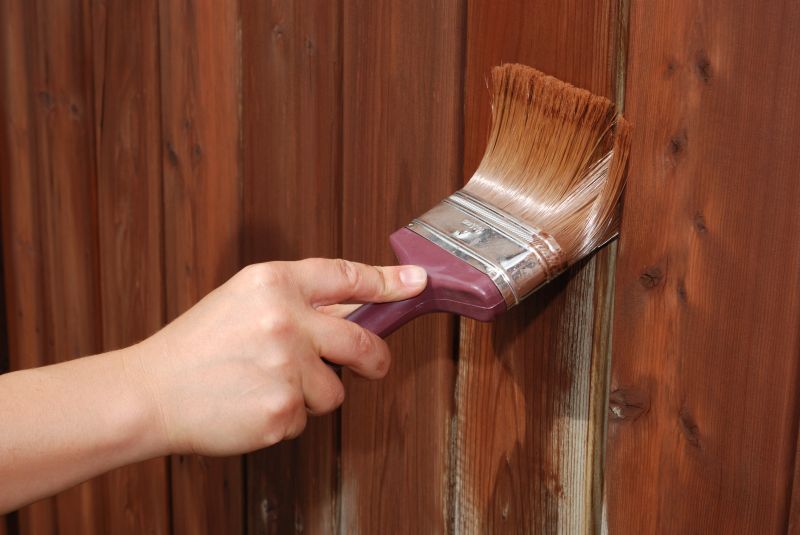
Small tweaks to make Fence Stainings safer and easier to use.
| Season/Condition | Ideal for Fence Staining |
|---|---|
| Spring | Yes |
| Summer | Yes, with caution |
| Fall | Yes |
| Winter | No |
| Rainy days | No |
| High humidity | No |
| Extreme heat | No |
| Moderate temperatures | Yes |